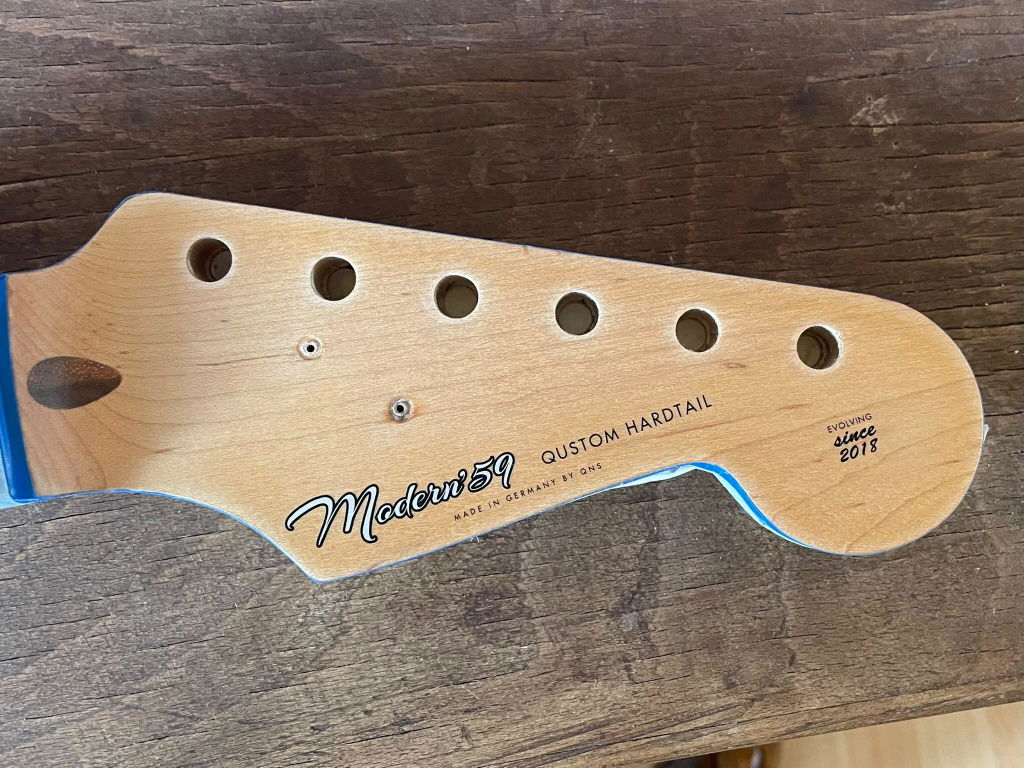

Whether you’re a seasoned luthier crafting a masterpiece guitar or a DIY enthusiast restoring a cherished heirloom, wood dyeing is a transformative technique. Unlike traditional stains, which often sit on the surface, wood dyes penetrate deep into the fibres, offering a clarity and depth of colour that allows the natural beauty of the grain to take centre stage.
At Rothko and Frost, we specialize in providing the professional-grade materials—like our Dartfords wood dyes—used by makers worldwide. In this guide, we’ll walk you through everything you need to know about how to dye wood for a stunning, professional finish.
Dye vs. Stain: What’s the Difference?
Before we dive in, it’s important to understand why you might choose dye over stain:
-
Wood Stain: Usually contains pigments (fine coloured dust) and a binder. It acts more like a thin paint, often obscuring the grain in darker shades.
-
Wood Dye: Contains microscopic colour particles that dissolve completely. This allows the dye to soak into the wood cells, "popping" the grain and providing a translucent, three-dimensional effect.

Choosing the Right Dye for Your Project
At Rothko and Frost, we offer three main types of dye, each suited to different applications:
-
Water-Based Wood Dyes: These have a longer "open time," making them easier to blend on large surfaces like tabletops. They are eco-friendly and offer excellent lightfastness.
-
Spirit-Based (Alcohol) Wood Dyes: Favoured by luthiers, these dry almost instantly. They are perfect for creating sunburst finishes or layering colours without "raising the grain" significantly.
-
Aniline Dye Powders: For the ultimate control, these powders can be dissolved in water or alcohol to create custom concentrations and bespoke shades
Step-by-Step: How to Dye Wood Like a Pro
1. Preparation is Key
Wood dyeing is unforgiving of poor prep. Any scratches or glue spots will be highlighted by the dye.
-
Sanding: Sand your piece progressively up to 240 or 320 grit. Avoid going too high (like 600+) on the bare wood, as this can "burnish" the surface and prevent dye penetration.
-
Raise the Grain (Optional but Recommended): If using water-based dyes, wipe the wood with a damp cloth and let it dry. Sand away the "fuzz" that stands up. This prevents the dye from making the wood feel rough later.
2. The Application
Always test your colour on a scrap piece of the same wood species first!
-
Apply the Dye: Use a lint-free cloth, a sponge, or a high-quality brush. Work quickly and maintain a "wet edge" to avoid lap marks.
-
Wipe Back: For a more subtle look, apply the dye and immediately wipe away the excess with a clean rag. For deeper saturation, let it sit for a minute before wiping.
-
Layering: Want more intensity? Once the first coat is dry, apply a second. You can even layer different colours (e.g., a yellow base with a red top coat) to create unique, glowing hues.
3. "Popping" the Grain
For woods like Flamed Maple or Quilted Mahogany, use the "sand-back" technique. Apply a dark dye (like Black or Dark Walnut), let it dry, and then sand the surface lightly. The dark dye stays in the deep "curls" of the grain, while the high spots return to bare wood. Apply your final colour over the top for a breath taking 3D effect.
4. Sealing and Finishing
Dye provides the colour, but it doesn't provide protection. Once dry, you must seal your work.
-
Lacquering: For instruments and high-end furniture, we recommend Nitrocellulose Lacquer. It bonds beautifully with our dyes and can be polished to a mirror shine.
-
Varnish/Oil: If you prefer a more natural feel, a high-quality wood oil or polyurethane will lock in the colour and protect the surface from moisture.
Pro Tips for Success
-
Handle with Care: Always wear gloves. Wood dye is designed to be permanent, and it will stain your skin just as effectively as the wood!
-
Mind the Glue: Wood glue acts as a resist. Even a tiny fingerprint of glue will prevent the dye from soaking in, leaving a pale spot. Clean all joints thoroughly before dyeing.
-
Sunlight Matters: While our dyes have excellent lightfastness, avoid placing dyed furniture in direct, constant sunlight to preserve the vibrancy for decades.
Ready to Start Your Project?
Whether you're looking for a classic Heritage Cherry for a vintage guitar or a modern Emerald Green for a craft project, we have the colours and the expertise to help you succeed.
Explore our full range of Dartfords Wood Dyes and start making something beautiful today.