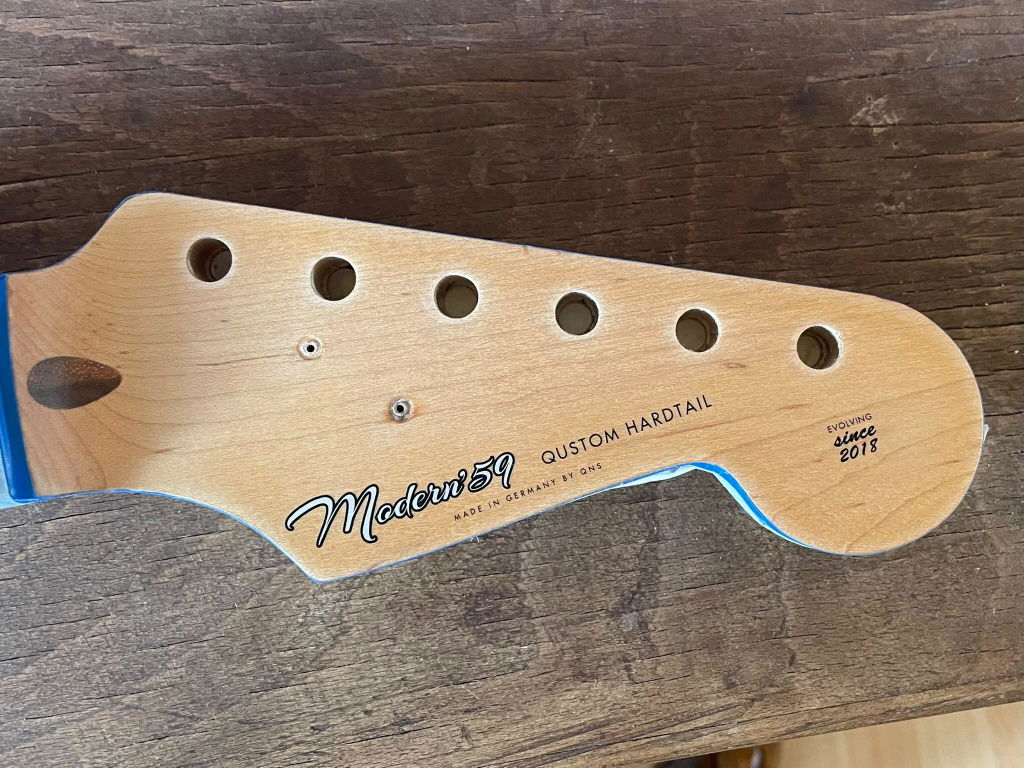

There is a unique kind of satisfaction that comes from making the tools you use to create art. For musicians and woodworkers alike, the weekend is the perfect time to slow down and focus on craftsmanship. If you are looking for a highly rewarding way to spend a Saturday afternoon, we have the perfect crossover project for you.
When it comes to carving small wood projects, few things are as fast, practical, and gratifying as learning how to make a wooden guitar pick.
Not only is crafting DIY wooden guitar picks an excellent way to practice your fine carving and shaping skills, but it also gives you a highly customized, functional piece of gear. Different woods impart noticeably different tonal qualities to your playing—denser woods like ebony provide a bright, snappy attack, while mahogany offers a warmer, mellower strum.
Ready to shape your new favourite plectrum? Here is how to do it.

What You Will Need
One of the best things about this project is how few materials it requires. It’s an ideal way to use up those beautiful scraps of tonewood you can’t bear to throw away.
-
Wood: You’ll need a piece of hardwood about 1.5mm to 3mm thick, depending on your playing preference. (Pro Tip: If you don’t have scraps lying around, our Rothko & Frost wood offcuts and veneers are the perfect size and offer a stunning variety of exotic and domestic tonewoods).
-
A Template: Your current favourite plastic guitar pick.
-
Cutting Tool: A coping saw or a jeweller's saw.
-
Carving Tool: A sharp craft knife, whittling knife, or small chisel.
-
Sandpaper: Ranging from 120-grit for shaping up to 600-grit (or higher) for polishing. (We stock a wide range of premium fine grit sandpaper perfect for delicate work).
-
Finish: A high-quality wood oil to protect against sweat and string friction. (Our R&F finishing oils are formulated to cure hard and bring out the natural chatoyance of the wood grain).
Step 1: Trace and Consider the Grain
Take your favourite plastic pick and trace its outline onto your wood using a sharp pencil.
Crucial step: Pay close attention to the grain direction. You want the grain of the wood running vertically (from the wide base down to the pointy tip). If the grain runs horizontally across the pick, it is highly likely to snap against the strings.

Step 2: The Rough Cut
Using your coping saw, carefully cut out the rough shape of the pick. Don't worry about getting exactly on the pencil line just yet; leave a tiny millimetre of breathing room. You will refine the shape in the next step.
Step 3: Carving the Bevel
This is where the woodworking meets the luthiery. Secure the pick (a small hand clamp works wonders) and use your carving knife to create a bevel along the edges.
You want the centre of the pick to remain thick for grip and stability, tapering down to a thinner edge for striking the strings. Carve slowly, taking off paper-thin shavings. The beauty of a custom pick is that you can carve the bevel to match the exact angle of your natural playing attack.

Step 4: Sanding to Perfection
Once the rough carving is done, it’s time to smooth it out. Start with a medium grit (around 120 or 150) to remove the knife marks and perfect the rounded edges.
Slowly work your way through your fine grit sandpapers—220, 320, 400, and finally 600. Pinch the pick between your fingers as you sand to feel for any uneven spots. By the time you hit the highest grits, the wood should feel like glass against your thumb.

Step 5: Oil and Finish
Raw wood will quickly absorb sweat and oils from your fingers, which can degrade the pick over time. To seal it, apply a drop or two of your preferred R&F finishing oil to a lint-free cloth and rub it into the wood.
This is the most magical part of the process—watching the dull, sanded wood suddenly burst into life as the oil highlights the deep colours and grain patterns. Wipe off any excess, let it cure according to the oil's instructions, and give it a final buff with a dry cloth.

Time to Play
In just an hour or two, you’ve turned a simple piece of scrap wood into a beautiful, functional piece of musical equipment. Plug in your guitar, strike a chord, and listen to the organic, rich tone that only wood can provide.
Have you tried making your own picks using Rothko & Frost offcuts or finishes? We love seeing your workshop creations! Tag us on social media and show off your custom gear.